





The game stands as one of the most culturally influential titles in the history of gaming. Its reach extends far beyond gameplay — shaping language, community behavior, social structures, and the identity of entire generations of players. Across continents, cultures, and platforms, the game has become a shared point of reference, a cultural anchor that connects millions through creativity, collaboration, and storytelling.
This article explores how the experience influenced global gaming communities, how its culture evolved across eras, and why its impact remains strong after decades.
A Shared Language That Transcends Borders
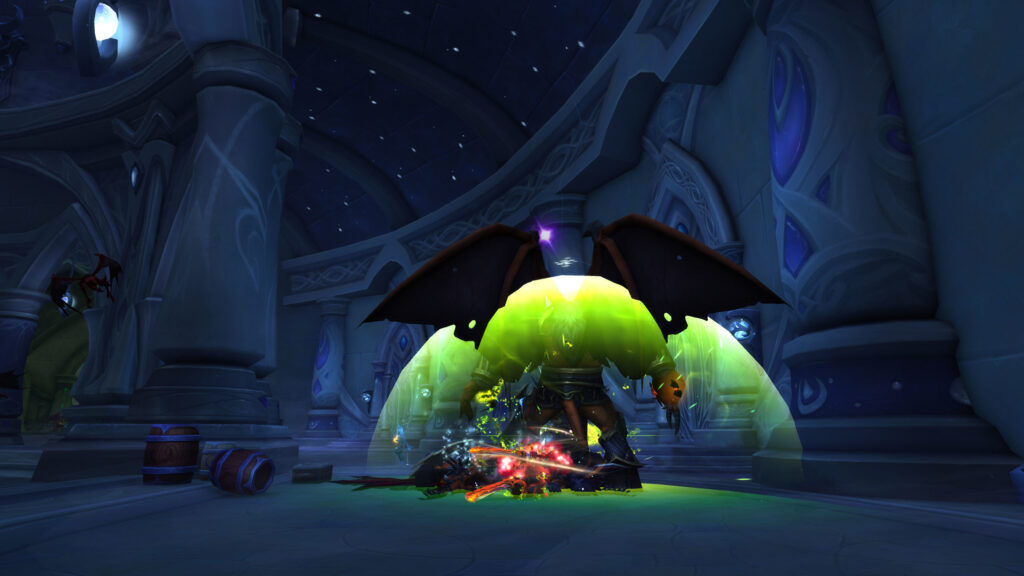
The game introduced vocabulary, expressions, and memes that spread far beyond its servers. Terms like “aggro,” “LFG,” “wipe,” and “pull” entered gaming vernacular across genres and continents. These shared expressions created a universal language that allowed players worldwide to communicate seamlessly regardless of their native tongue. This linguistic influence became one of the clearest examples of cultural impact.
The game turned gameplay terminology into global shorthand.
Communities Built on Cooperation and Creativity
From raiding guilds to casual social hubs, the community culture shaped how players form friendships and organize themselves in online worlds. Teamwork became the standard for many other games, influencing the design of cooperative gameplay across the industry. The expectations for leadership, teamwork, and communication established early on became templates for countless multiplayer communities.
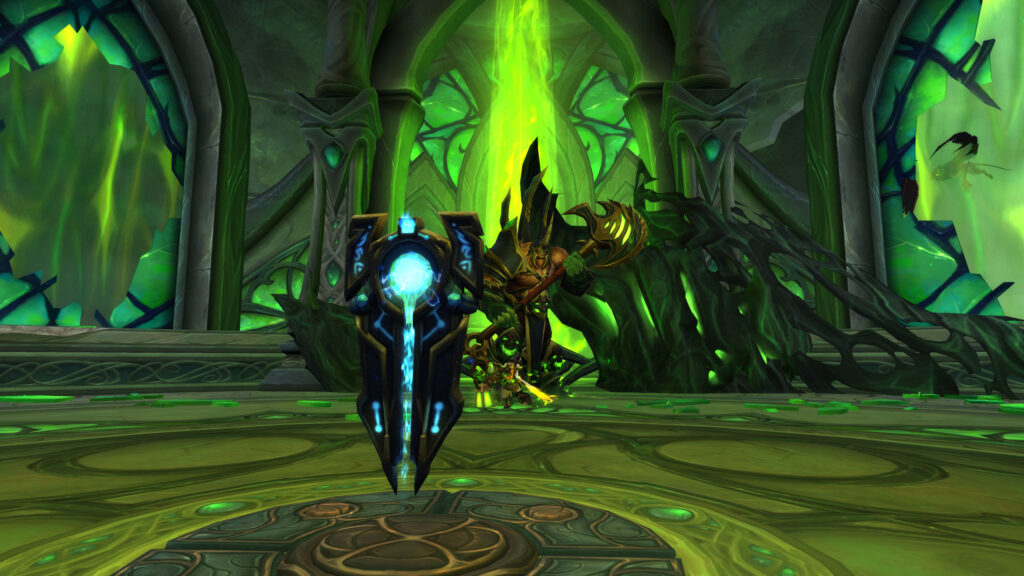
To illustrate this influence, here is a breakdown of community structures inspired by the game:
- Guild hierarchies: Organizational frameworks used in many MMOs
- Raid roles: Division of responsibilities shaping modern group composition
- Social hubs: Central gathering spaces that became community anchors
- Player events: Festivals, tournaments, and community-run celebrations
- Roleplay cultures: Story-driven communities that set standards for creativity
Global Influence on Online Identity and Self-Expression
The game offered players a space to express identity through characters, aesthetics, and playstyles. This form of digital self-expression influenced how players view online identity across the entire gaming landscape. Transmog, class fantasy, and race-culture history shaped how players present themselves — inspiring identity systems in countless other games.
Self-expression became part of the cultural foundation of online play.
Competitive Culture Shaping Esports and Strategy Communities
High-end raid races, arena tournaments, and theorycrafting forums laid the groundwork for modern esports strategy culture. Players developed analytical tools, community-driven resources, and competitive mentalities that spread far beyond the game itself. This approach influenced everything from MOBA design to strategy game communities worldwide.
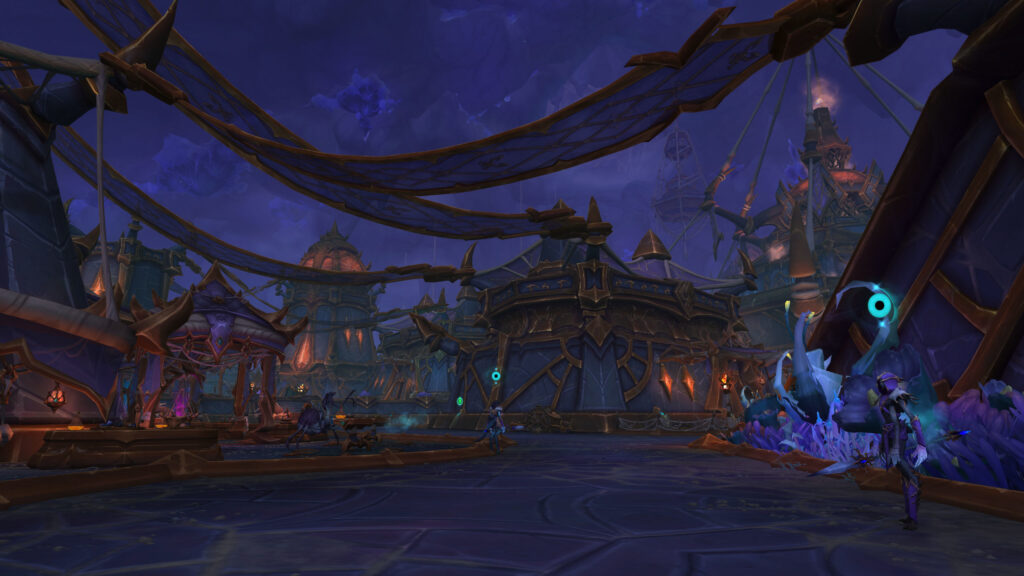
Competition built a culture of mastery and shared learning.
Why Its Cultural Impact Still Endures
The game remains culturally influential because its identity is rooted in shared experience — exploration, teamwork, conflict, and personal growth. These universal themes resonate across cultures and generations, making it more than a game. It has become a cultural artifact, a reference point, and a creative universe that continues to inspire discussions, art, friendships, and global collaboration.
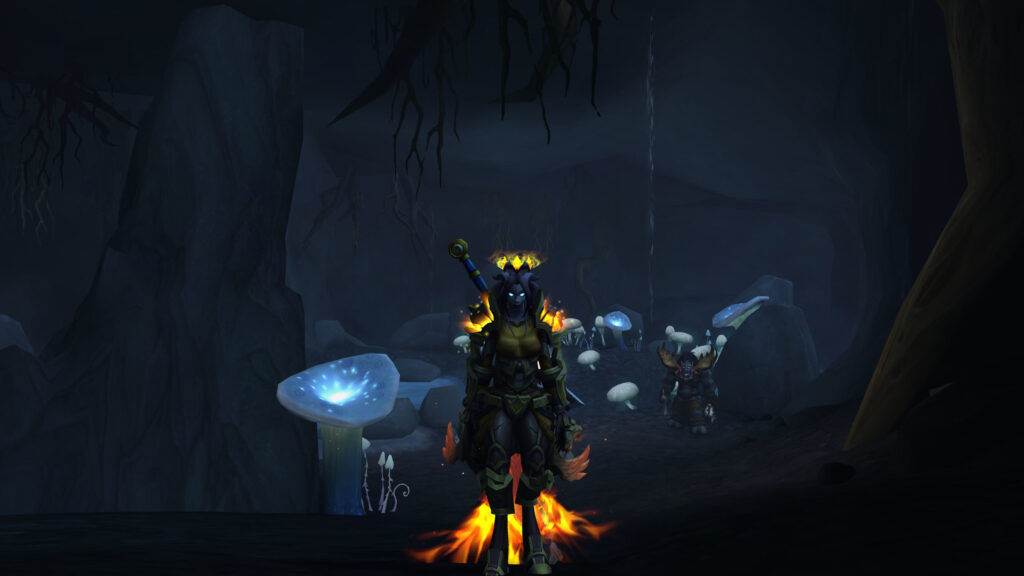
Its culture thrives because players keep its legacy alive.
Conclusion
The cultural influence of the experience on global gaming communities is undeniable. It shaped online communication, cooperative gameplay, competitive strategy, and digital identity. Through shared language, community traditions, and global engagement, it became a cultural landmark that continues to resonate across the world. Its impact endures because its community carries its legacy forward — one story, one guild, and one friendship at a time.